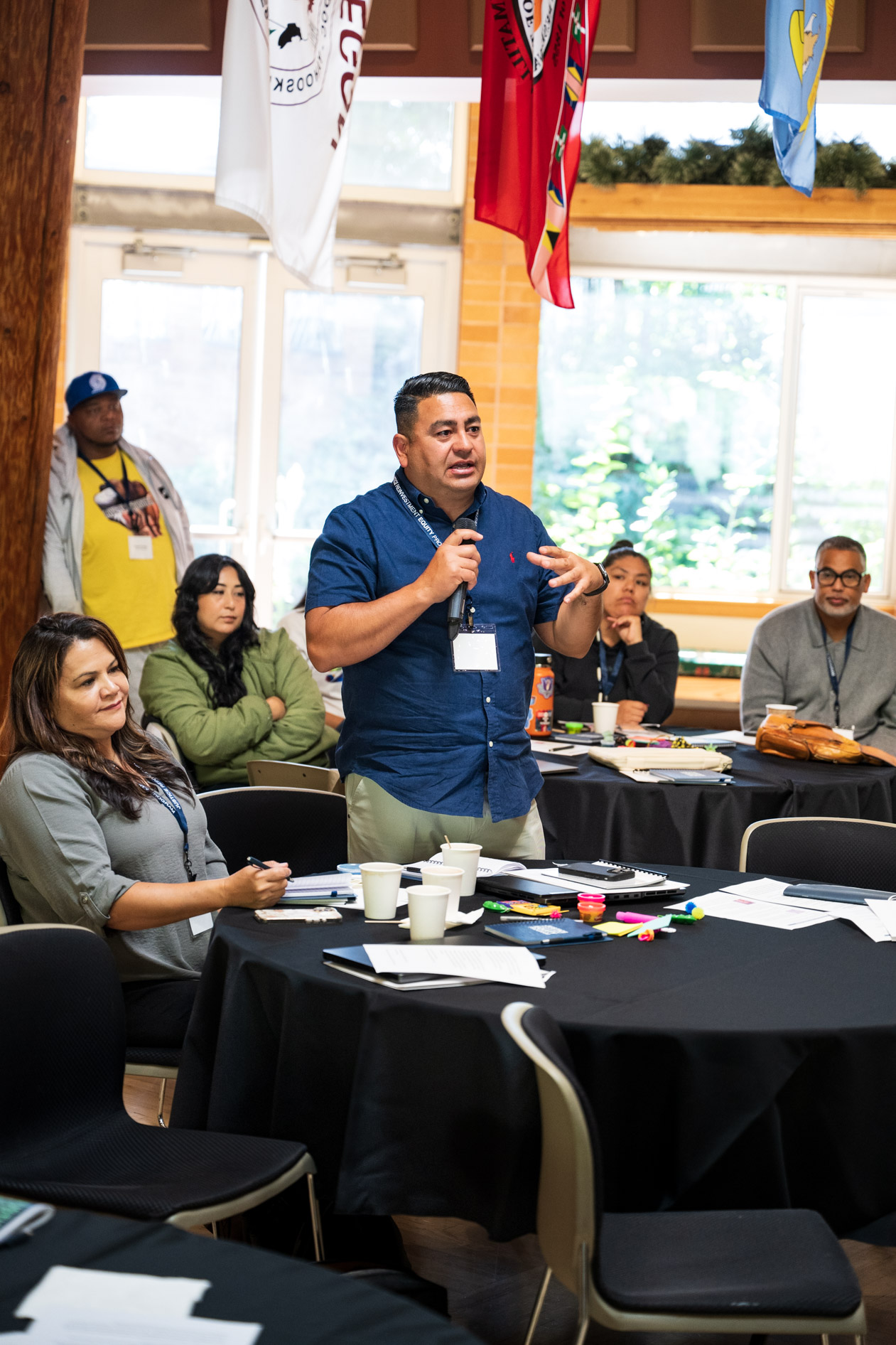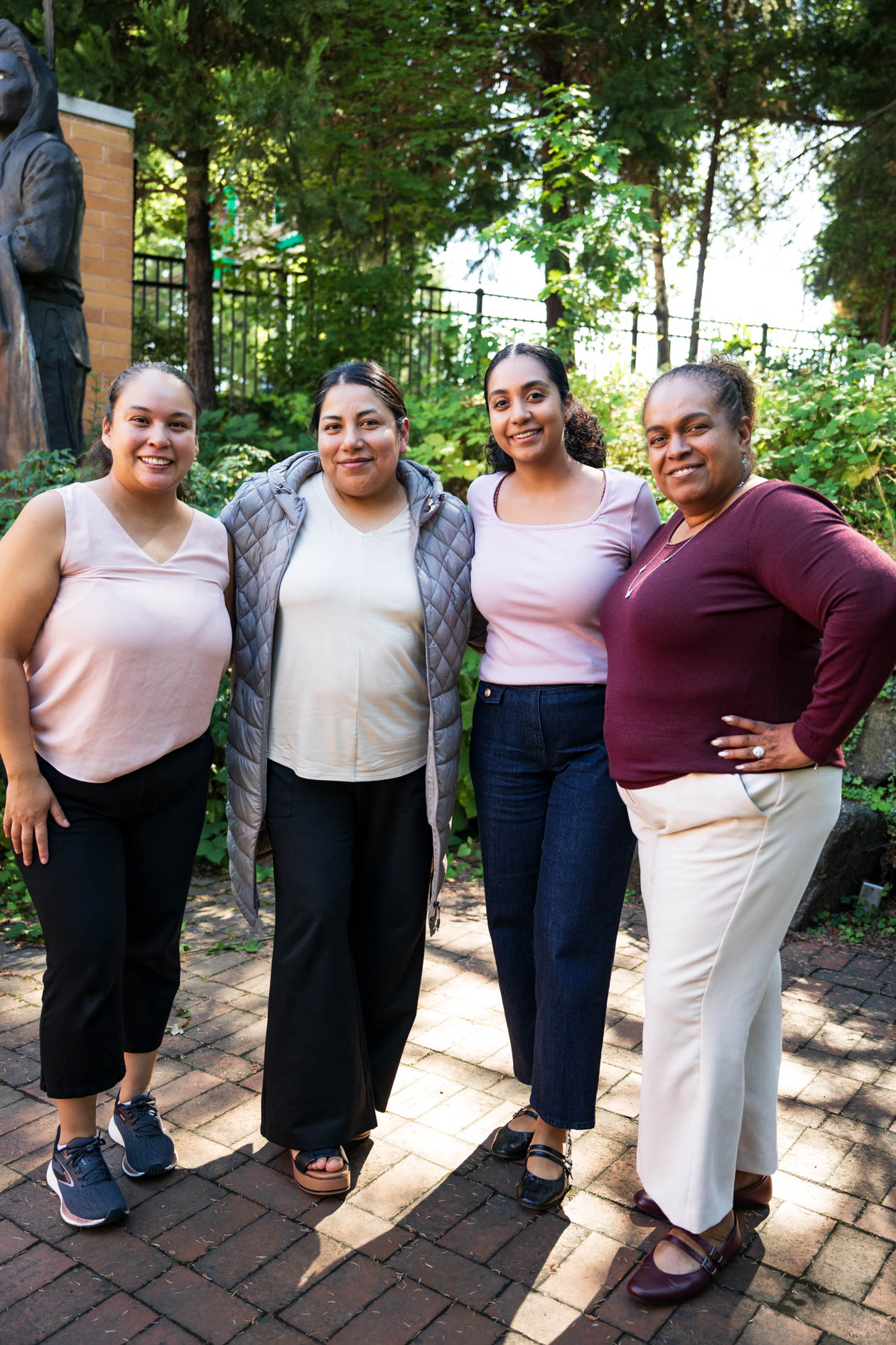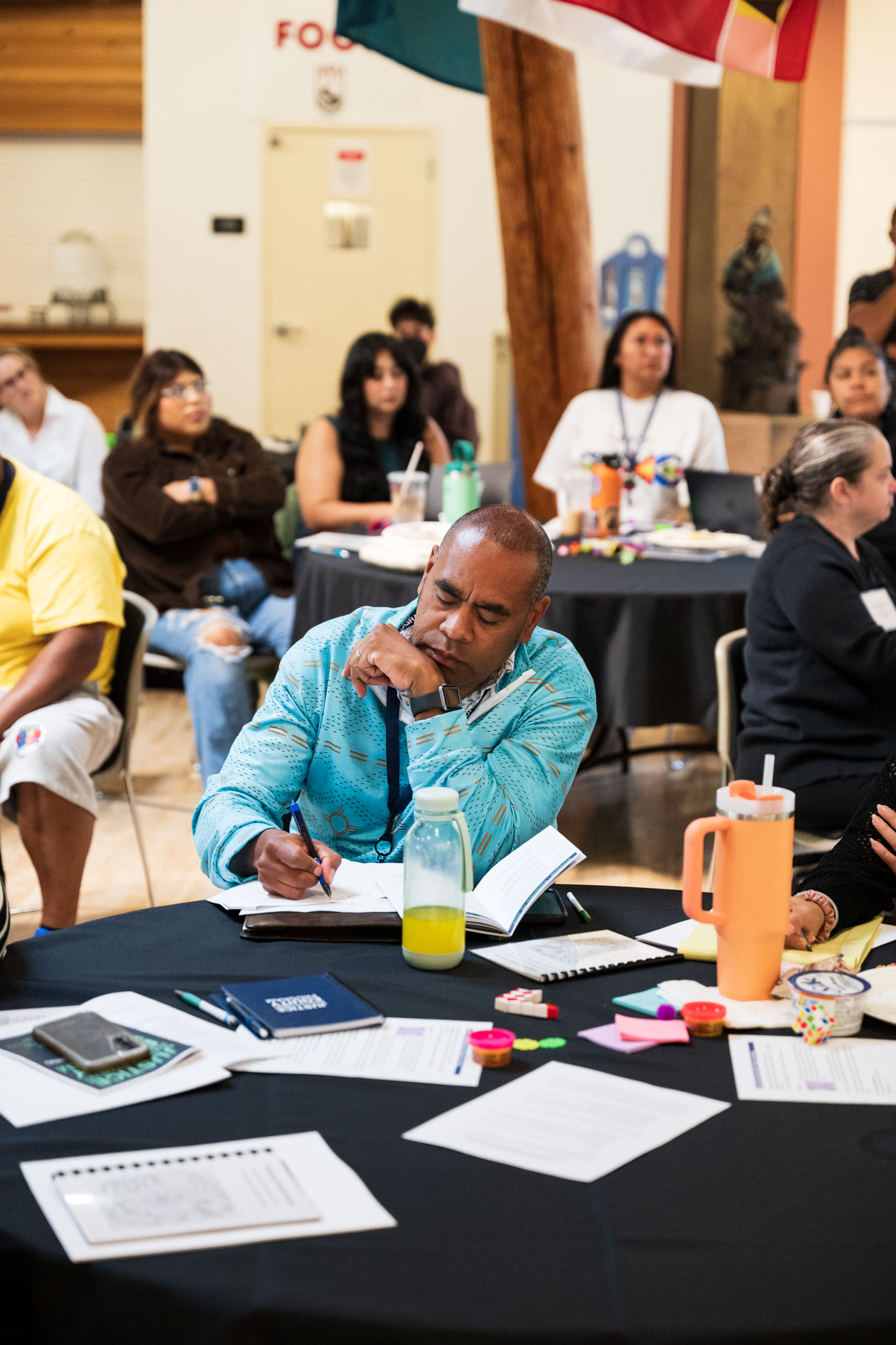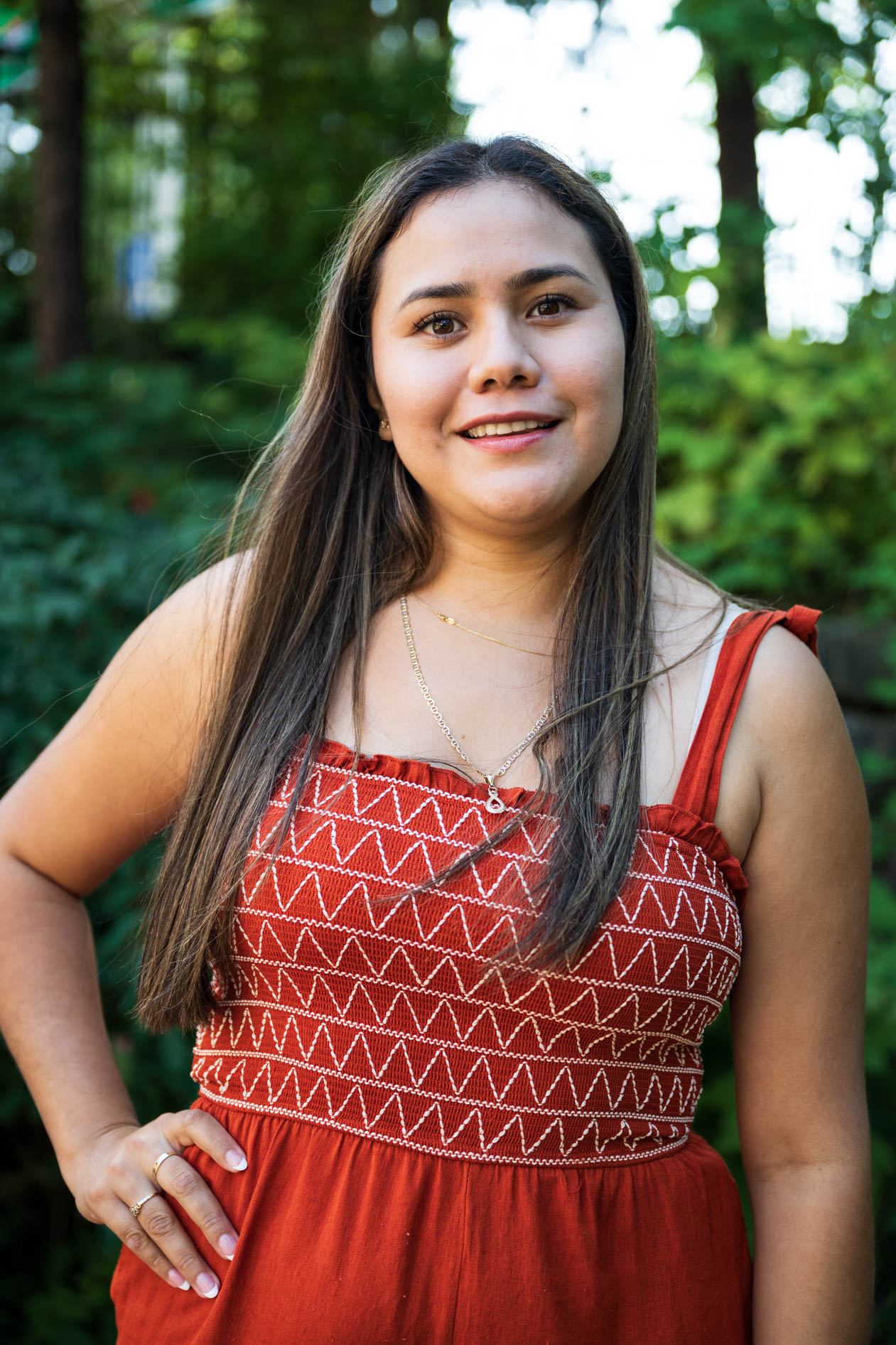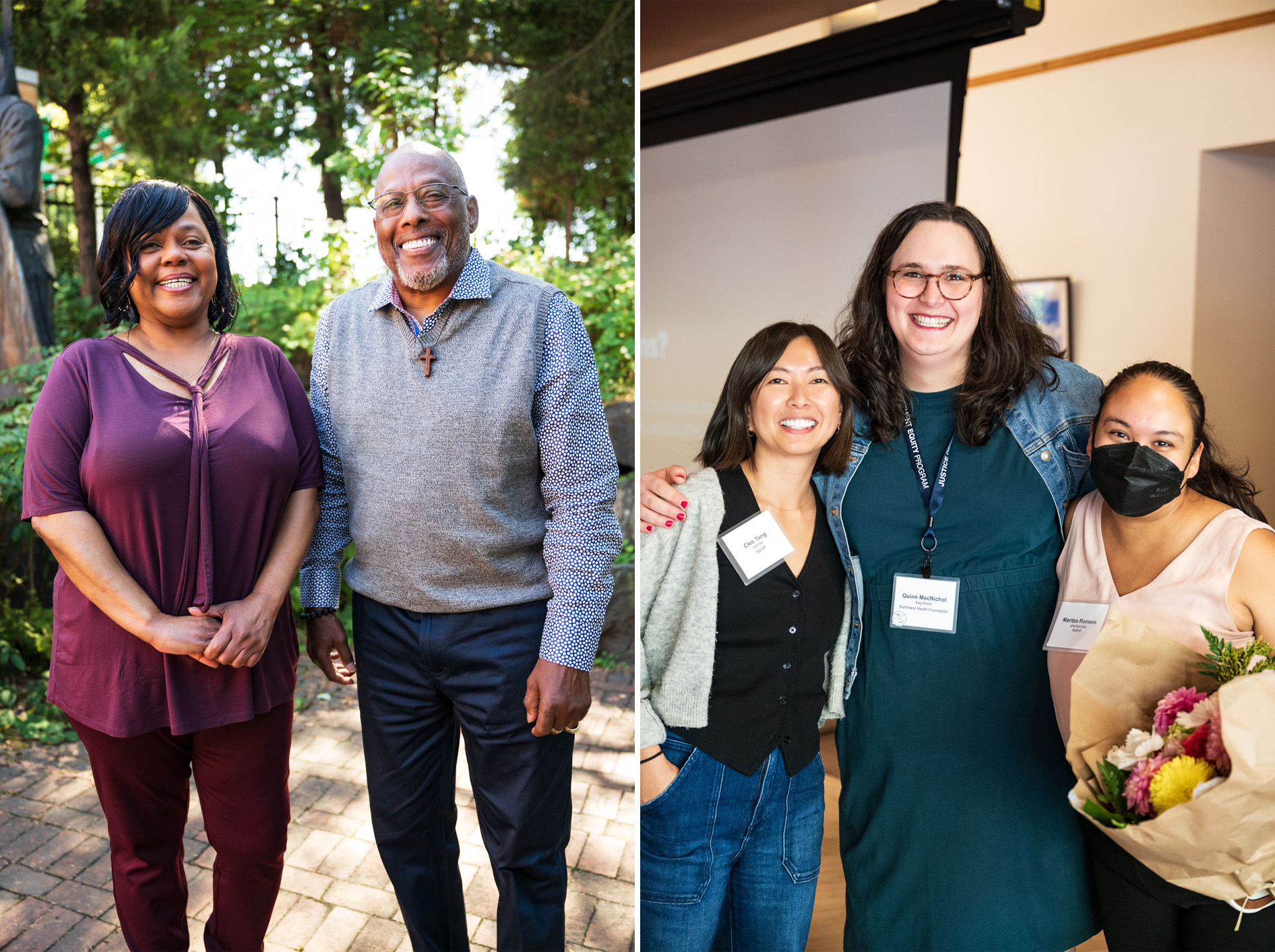
When federal policy changes forced the drawdown of the groundbreaking Justice Reinvestment Equity Program, Human Centric Media turned the final convening of its grantees into a once-in-a-lifetime opportunity to celebrate their leadership, and build a suite of evergreen communications assets.
No matter the political season, the diversity of our communities is their strength. It’s a bedrock of American life and a north star in Human Centric Media’s choice of partnerships.
The Pacific Northwest is a rapidly changing ecosystem of business leaders, nonprofits and foundations that understand the value of diversity, and are committed to pushing our systems in a more equitable direction — not just for our mutual benefit, but for the benefit of future generations.
The Justice Reinvestment Equity Program (JREP) was a landmark $10 million state-funded effort to uplift and accelerate the work of community organizations all across Oregon, pouring fiscal support and development resources into the programs that were already doing good work in our neighborhoods.
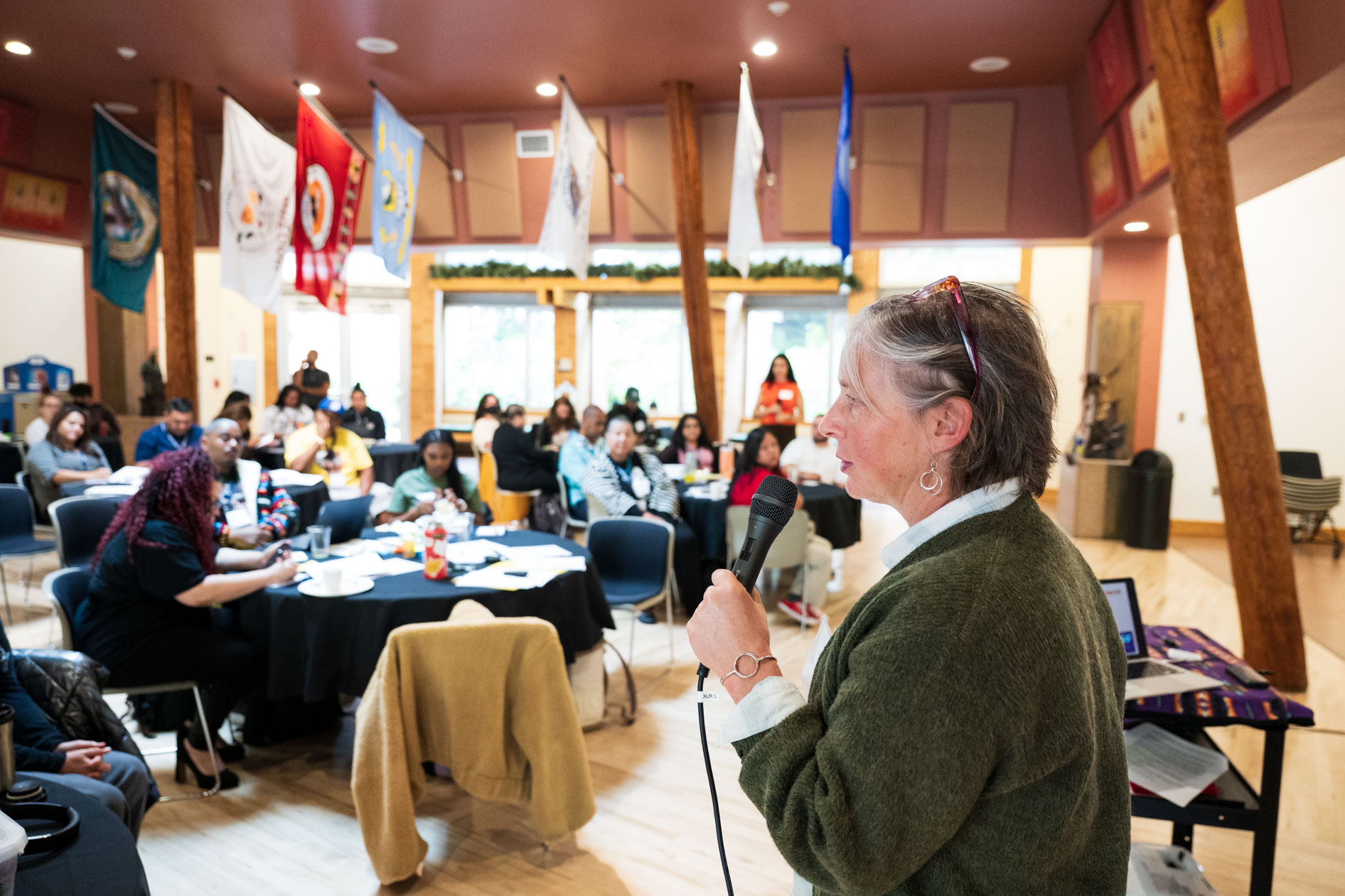
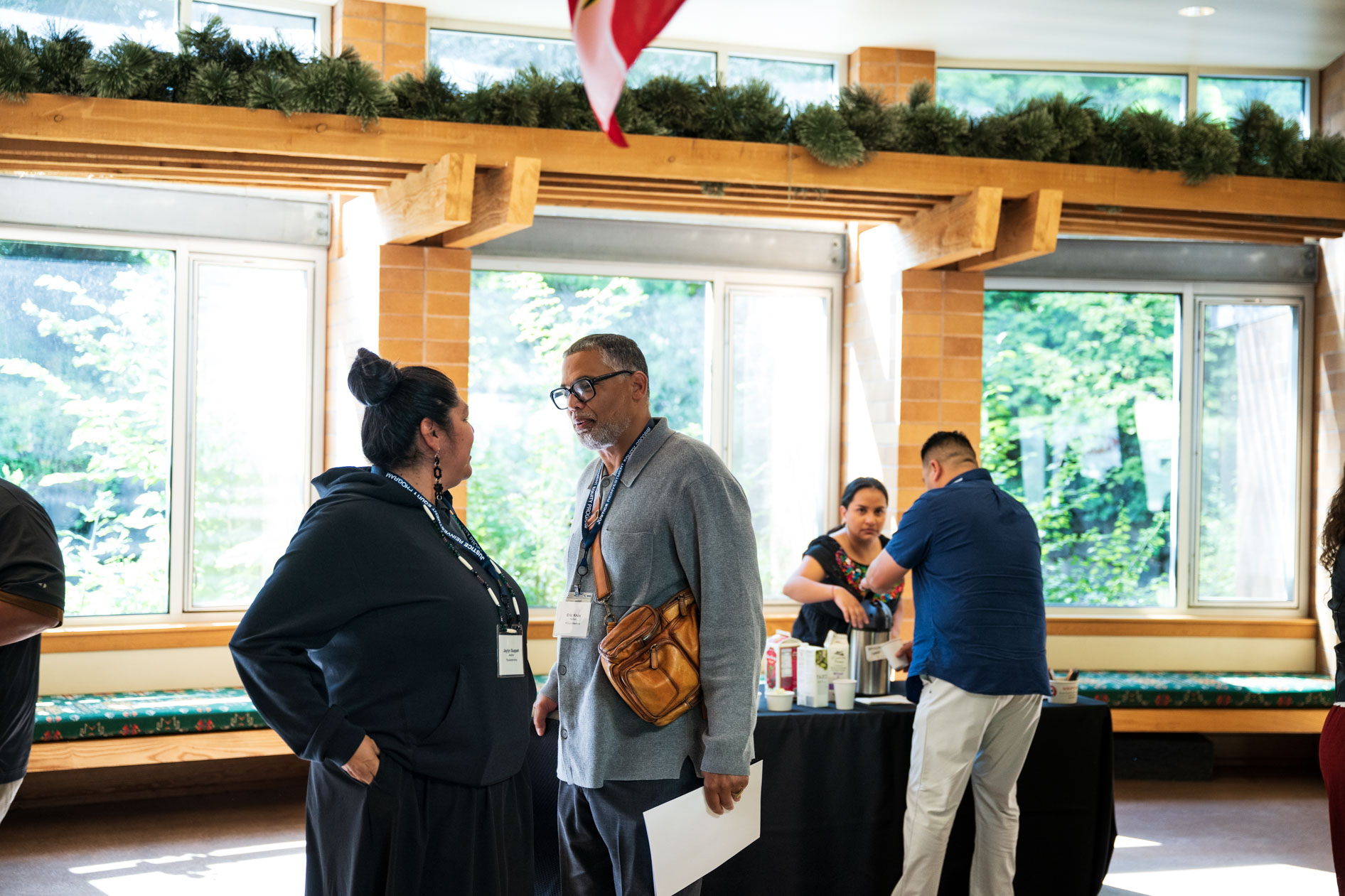
When federal policy forced the program to shutter, its steward, the Northwest Health Foundation, organized one final convening of its grantees, to hear from them and chart a path forward.
Lifting All Boats
The biggest differentiator in Human Centric Media’s work, compared to other agencies, is the care we bring to our relationships. A single event like the final JREP convening is not just a chance to produce some photography — it’s a “blink and you’ll lose it” opportunity to celebrate the leadership in the room, and document the program’s reverberating momentum.
We look to engineer campaigns that serve not just our immediate clients’ objectives, but the goals of the people they serve: grantees, members and partners who fuel the foundation’s success.
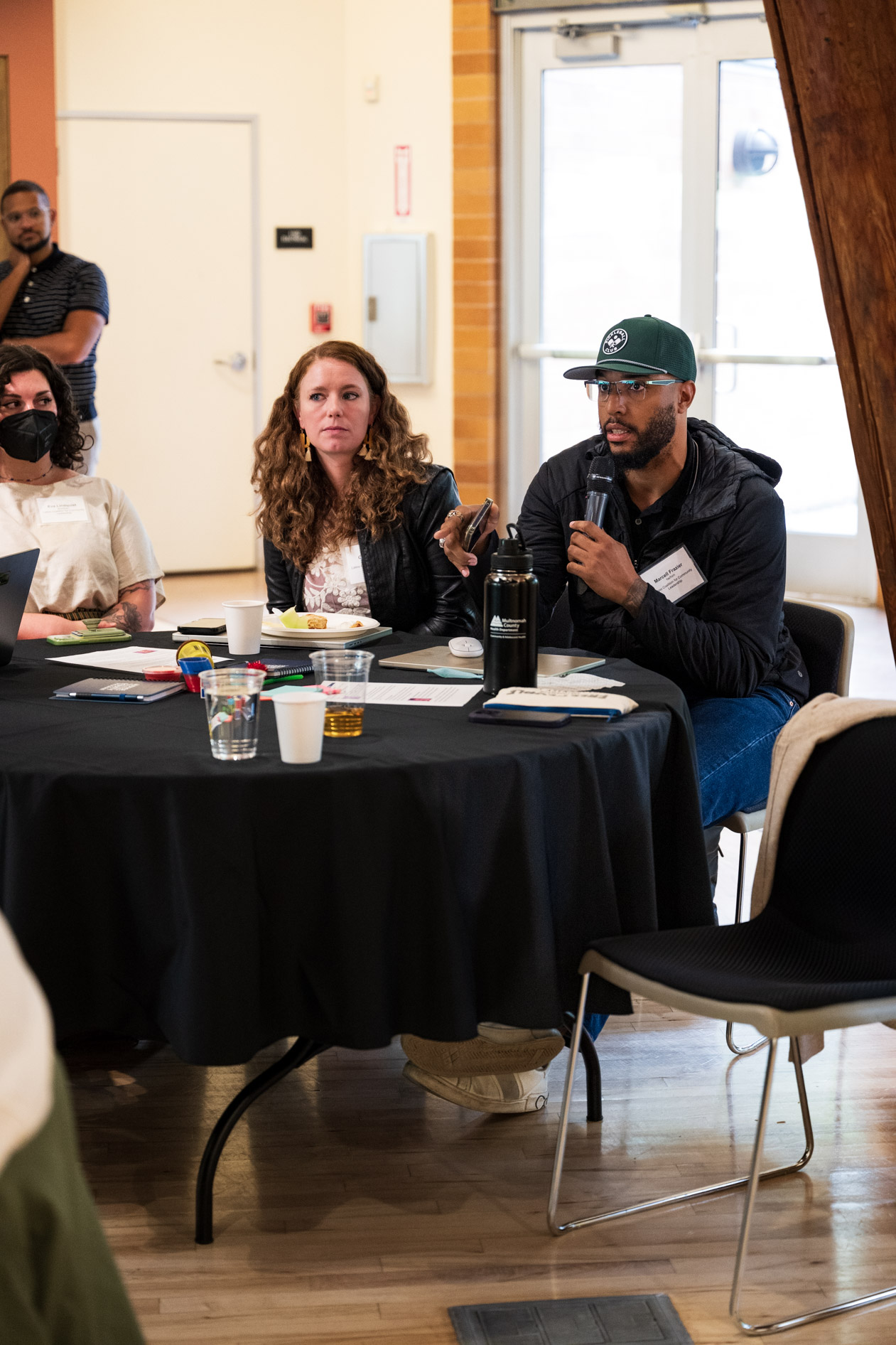
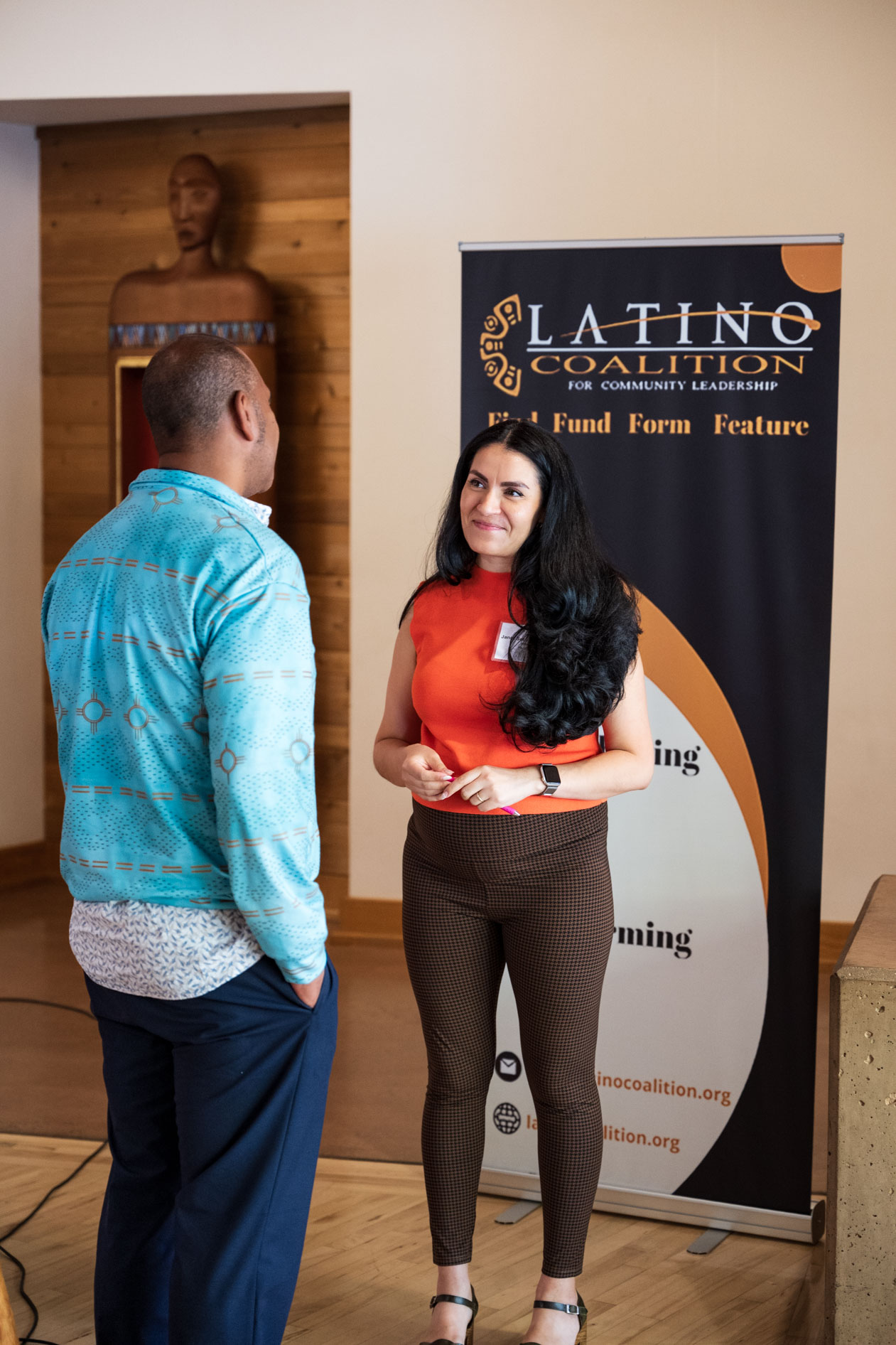
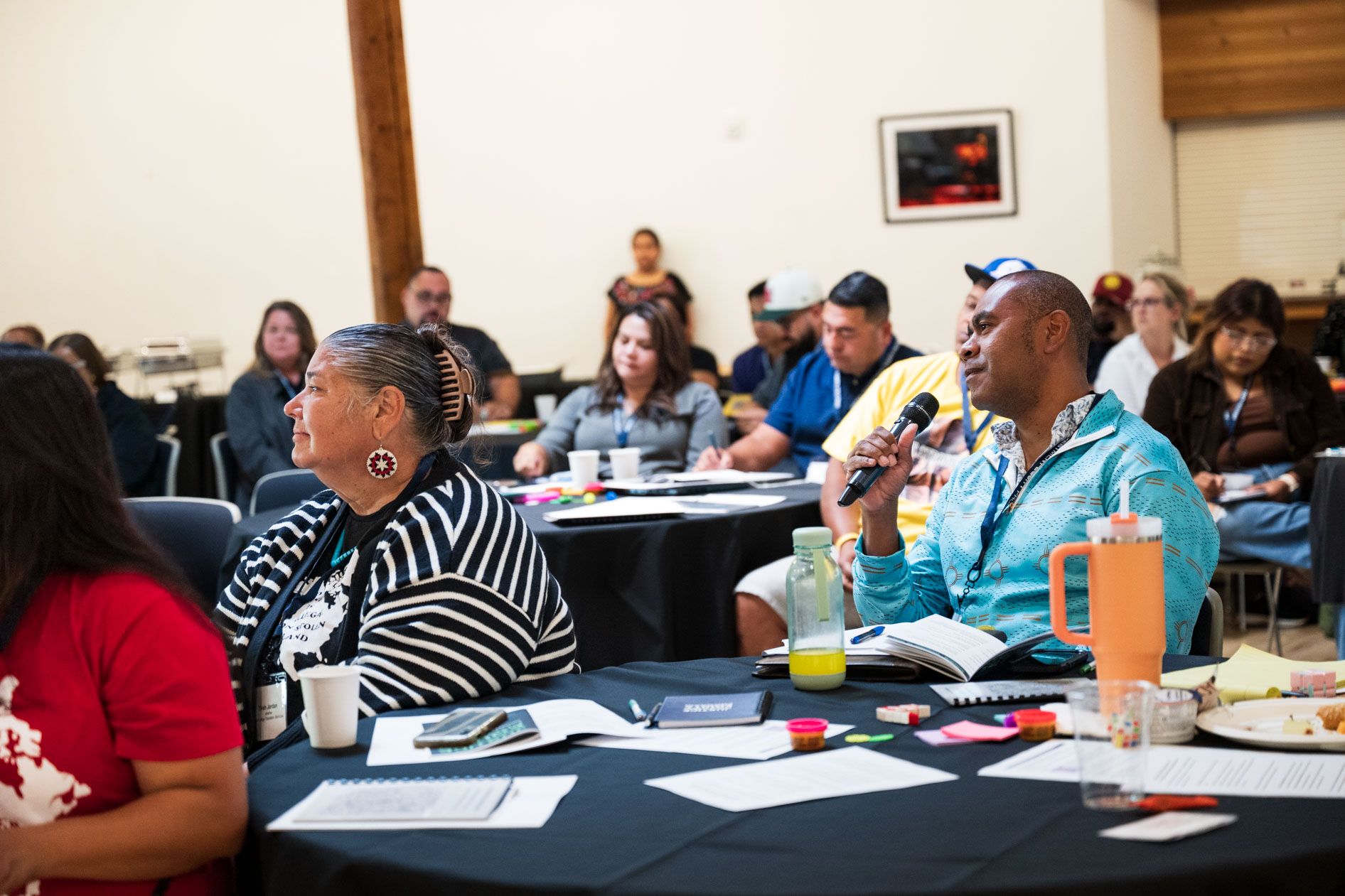
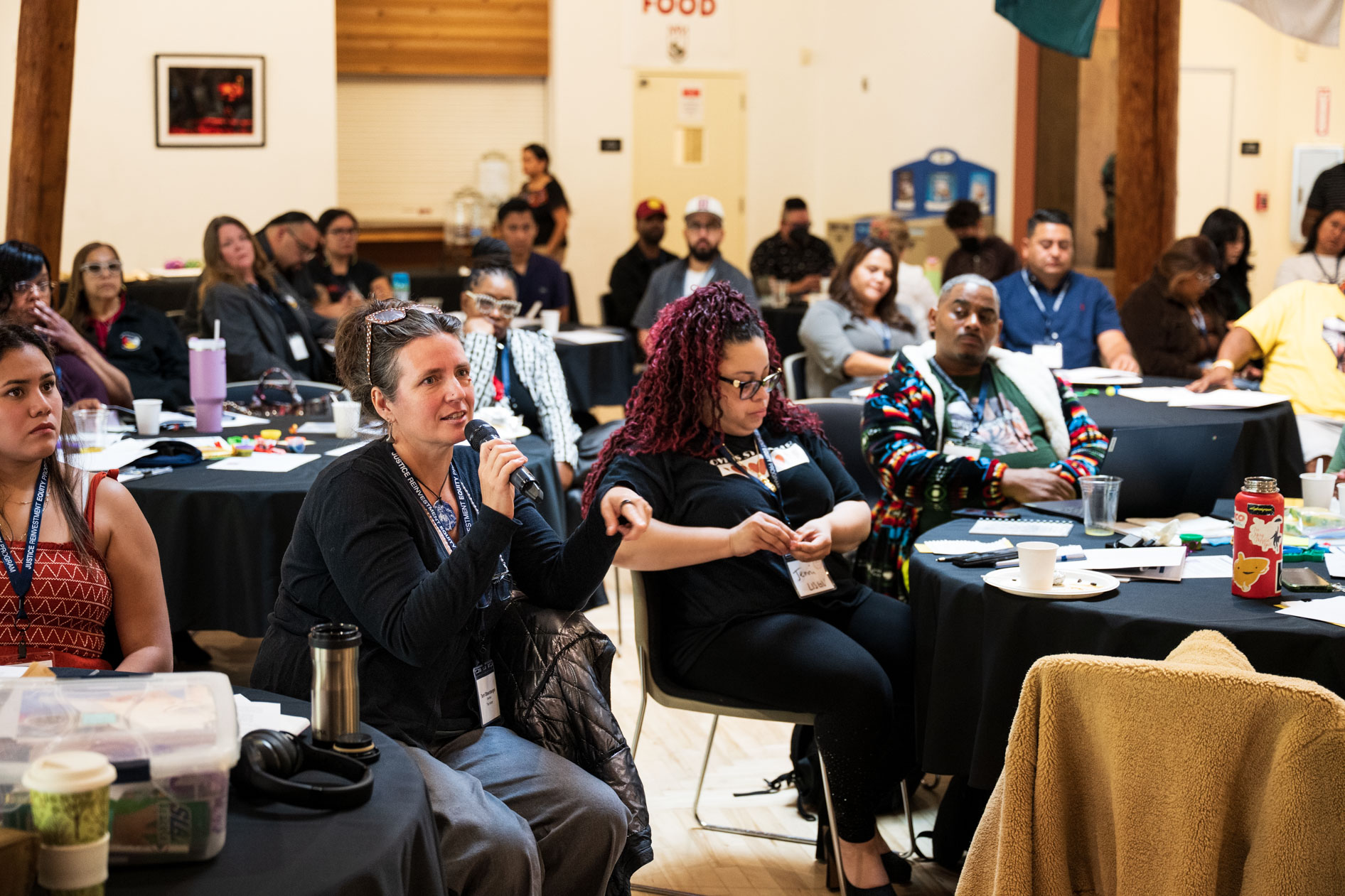
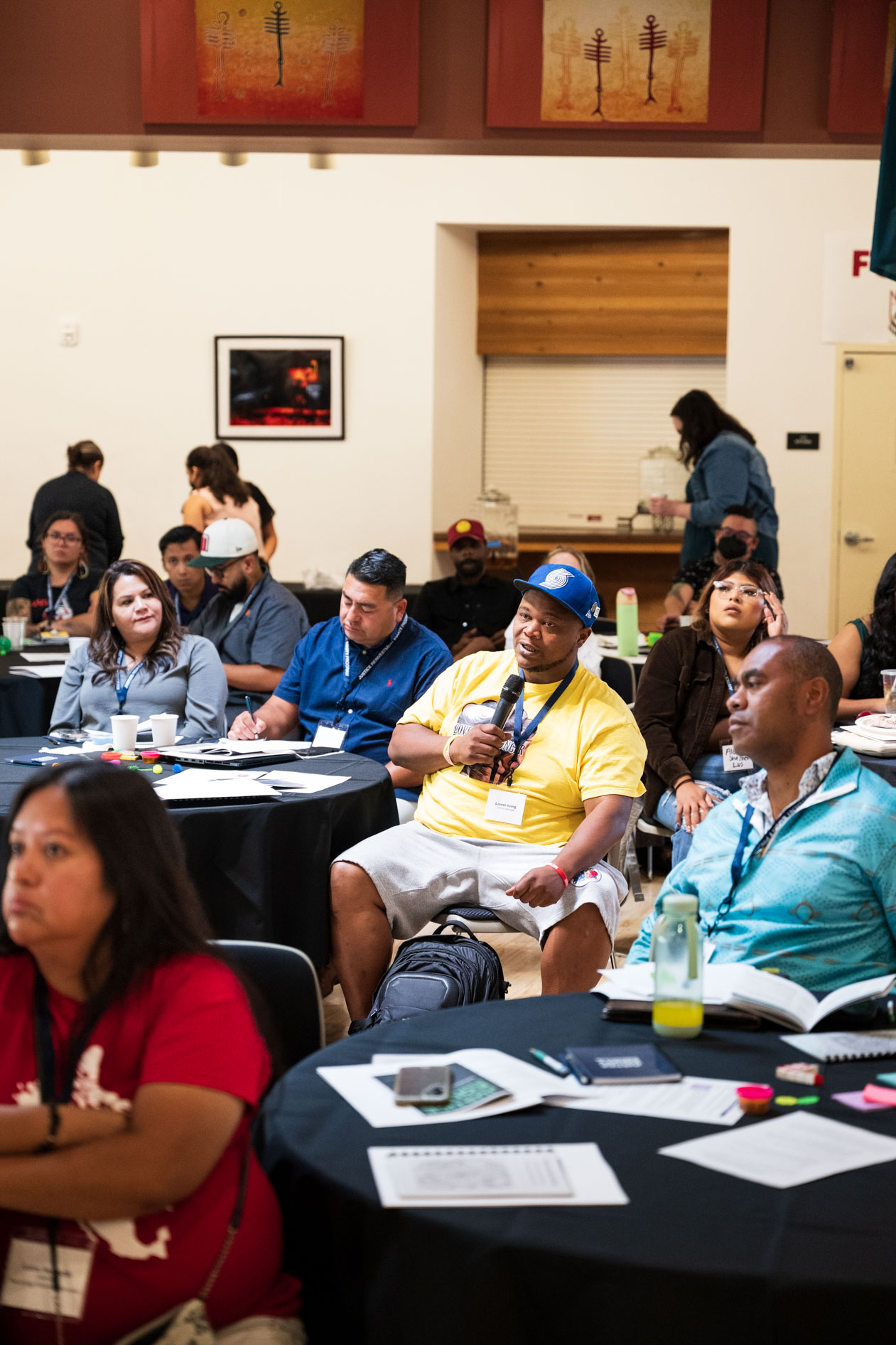
In the case of JREP, executive and program directors from all over the state came together to share their findings, and make sure all their effort didn’t go to waste.
We call it narrative infrastructure because it’s fundamental scaffolding in how these organizations connect with donors, community members and the public. Without a good story, they can’t do their good work.
This final convening was a chance to build a narrative campaign that supported not just the Northwest Health Foundation’s continuing work, but the grantees themselves — media that stands as a monument to what they’ve done together.
Treating People the Right Way
Far too many media producers are so occupied with technical execution that they entirely miss the most important element of getting good results: the way you treat the subject.
It’s not just about “comfort” or feeding someone’s ego — the rapport we build with the subjects of our campaigns shows up in their faces and their words. Human beings are extremely sophisticated communicators, even without training. They pick up on body language, vocal tonality and other cues that tell them whether someone is being authentic.
When we’re looking to drive fundraising, donations or program participation for a client, the way we treat subjects is the most important element. It’s why we have a social worker on staff, why we center the subject’s boundaries in the narrative development process, and why we spend real time with each and every one of them.
Energy that’s Infectious
Another benefit of treating people this way is its virality, both online and off.
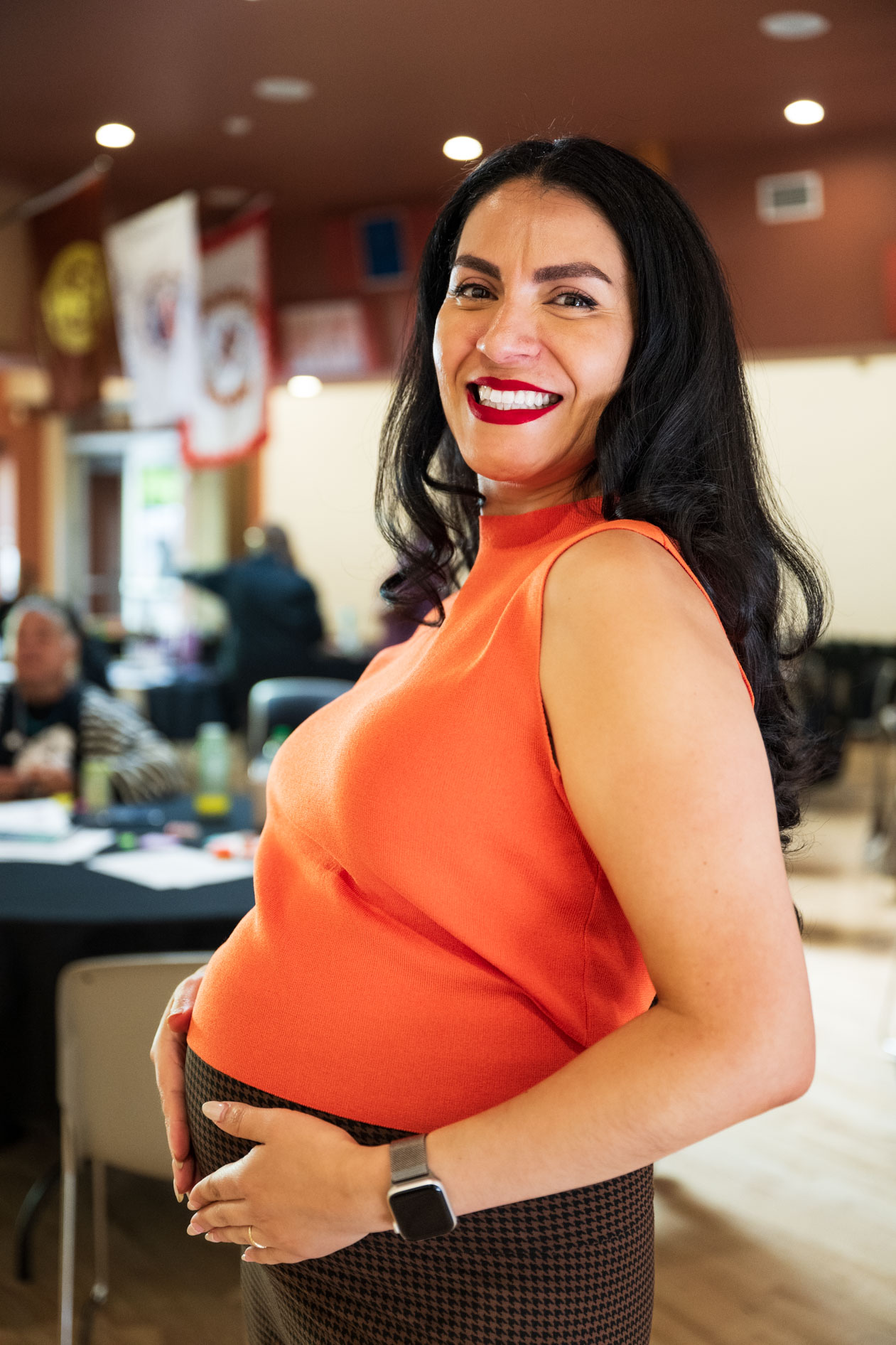
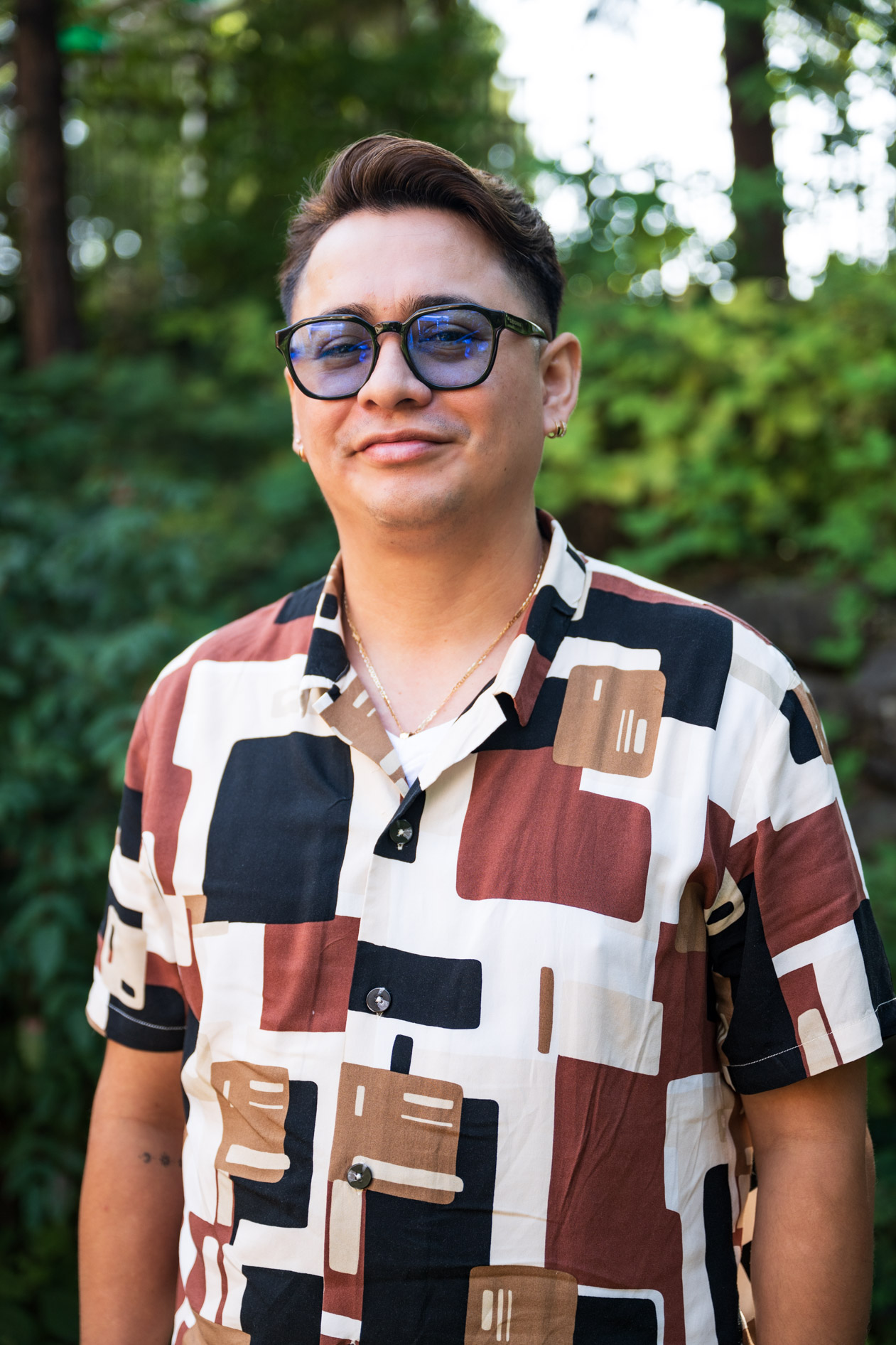
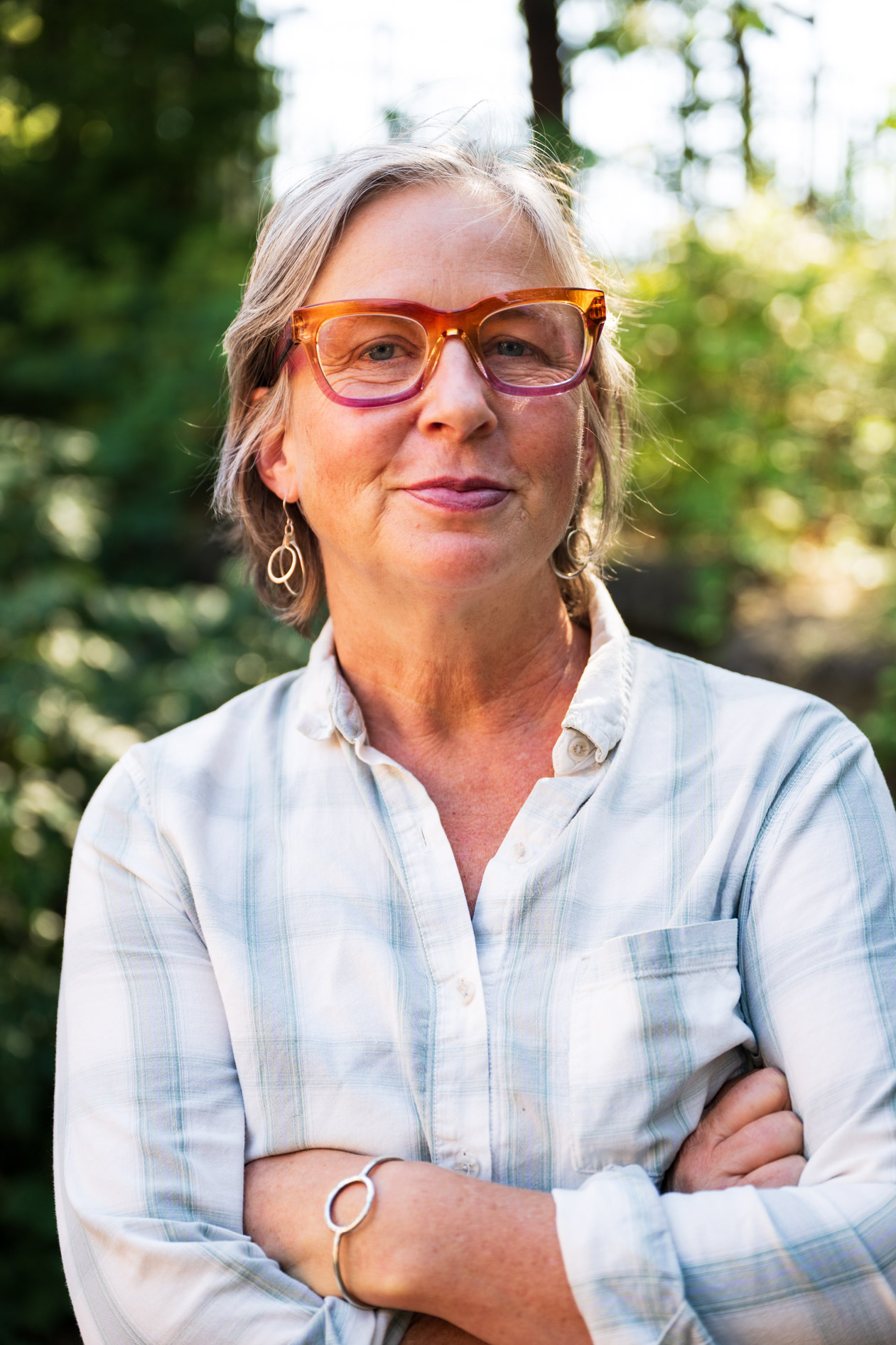
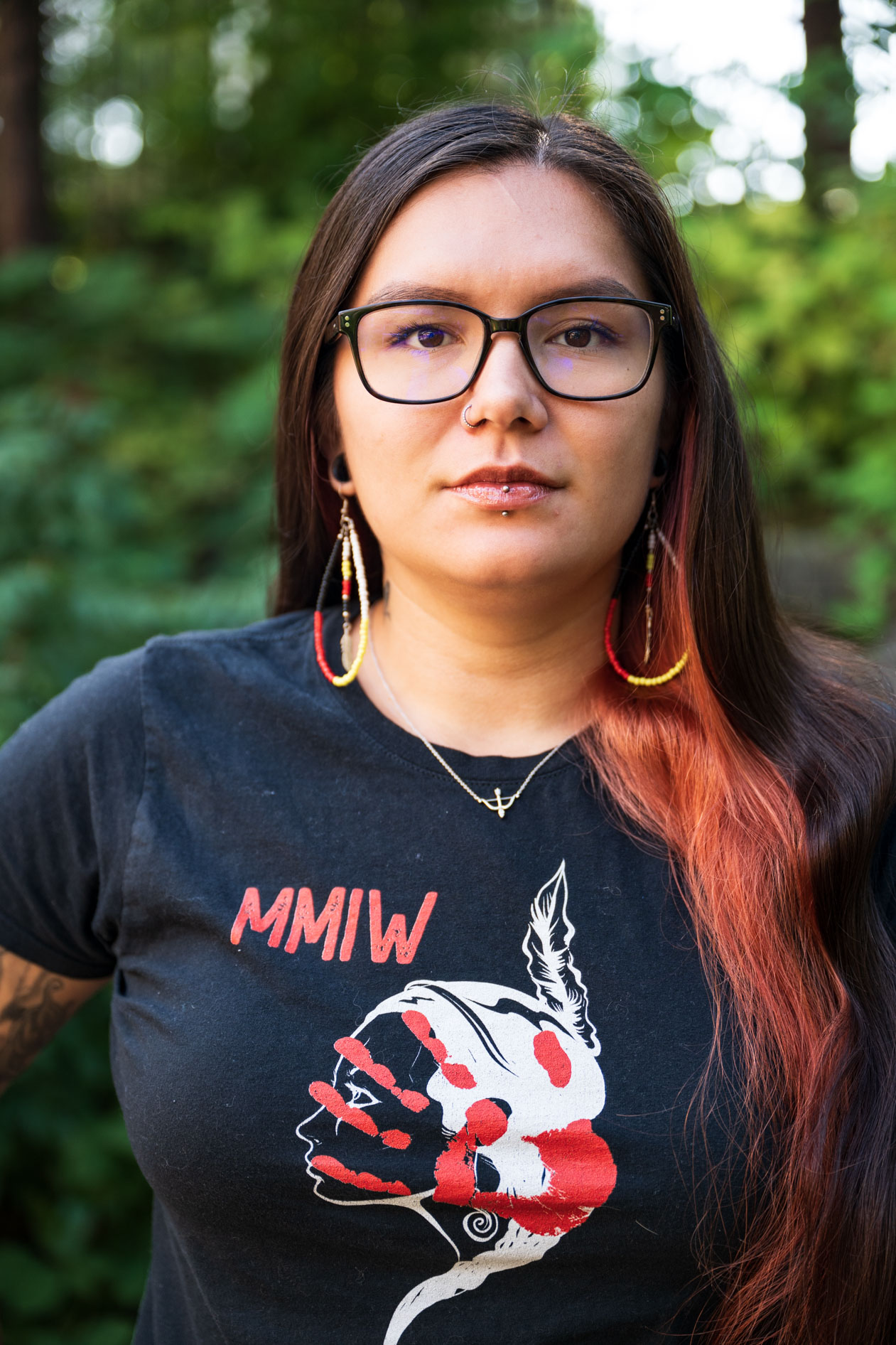
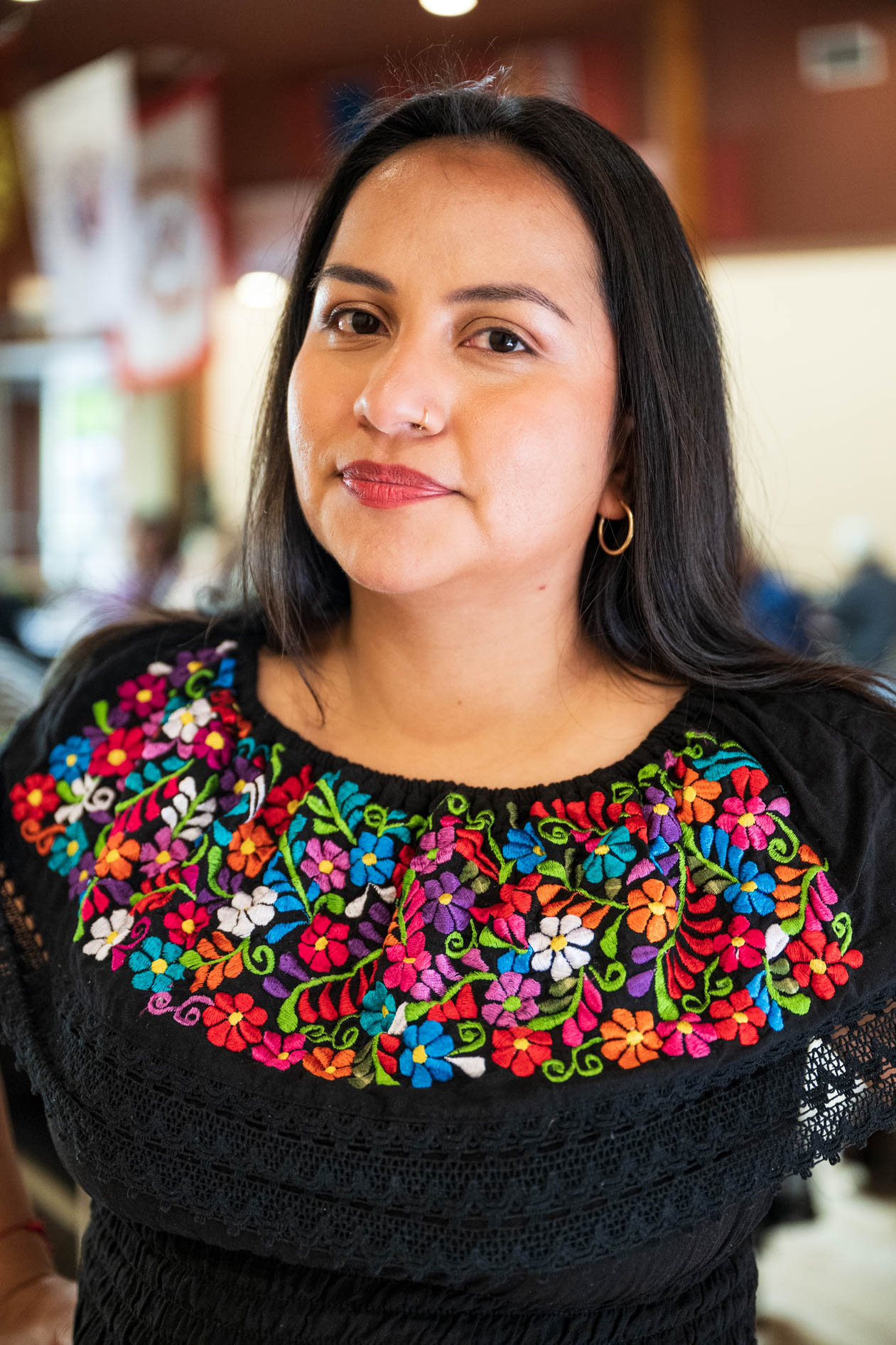
On-site at the JREP convening, grantees saw the experience their peers were having making images with us. It opened them up to having their portrait made, sharing insights with our team, and enjoying the process.
In this way, your communications can serve not just the objectives of the organization: it can be an active ingredient in the recipe that guarantees everyone’s success. The way we produce stories changes the air in the room — driving emotions like hope and pride.
While this program may be shuttered (for now) the impact it made in our communities is everlasting, and this media stands as a permanent example of what can happen when our diversity is embraced.
Do you believe your work can change the world? We do too.